Recognize critical warning signs that your heating system needs immediate professional attention before costly breakdowns occur.
Share:
Summary:
Your heating and cooling system should run relatively quietly. Sure, you’ll hear the normal whoosh of air moving through ducts or the gentle hum of a heat pump cycling on. But when those familiar sounds turn into something that makes you stop and listen, that’s your system crying for help.
Grinding, screeching, or banging noises aren’t just annoying—they’re expensive problems waiting to happen. These sounds usually mean metal parts are rubbing against each other, bearings are wearing out, or something has come loose inside your HVAC system.
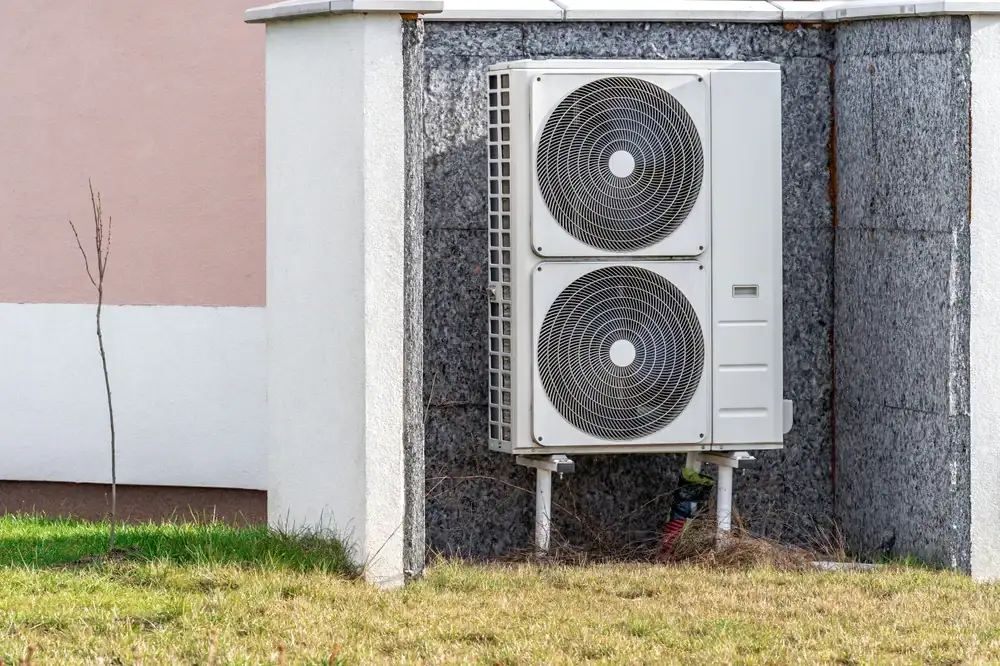
Each unusual sound tells a specific story about what’s going wrong inside your system. Rattling typically means loose panels, screws, or ductwork that need tightening before they cause bigger problems. A grinding sound often points to motor bearings that are wearing out—catch this early and you might need simple HVAC maintenance, wait too long and you’re looking at complete furnace repair or heat pump replacement.
Squealing or screeching usually indicates belt problems or motor issues that need immediate attention. These sounds tend to get worse quickly, and the longer you wait, the more expensive the AC repair or heating repair becomes. Banging or thumping sounds can mean anything from loose ductwork to a failing blower motor, but they all share one thing in common—they won’t fix themselves.
The key is acting fast when you hear something new. Most homeowners know what their system normally sounds like. When that changes, especially if it gets progressively louder or more frequent, it’s time to call a professional HVAC contractor. What starts as a minor adjustment can turn into a major component replacement if you wait too long.
Some sounds demand immediate action, not just because they’re annoying, but because they signal safety hazards or imminent system failure. A loud banging when your system starts up could indicate a cracked heat exchanger in a furnace—a serious safety issue that requires immediate shutdown and professional furnace repair.
For heat pumps, excessive buzzing or electrical crackling sounds often point to electrical problems that could become fire hazards. These aren’t sounds you should ignore or try to diagnose yourself. Turn off your system and call for emergency HVAC services right away.
Continuous running sounds when your system should be cycling off also indicate problems. While not immediately dangerous, a system that can’t complete its cycles properly is working much harder than it should, driving up your energy bills and wearing out components rapidly. This is especially common in Fairfield County’s variable weather, where heating and cooling systems get overworked trying to keep up with sudden temperature changes.
Don’t fall into the trap of thinking you can live with the noise until it’s convenient to call for service. HVAC emergencies never happen at convenient times, and that grinding noise on a Tuesday afternoon becomes a complete system failure on the coldest night of the year.
Want live answers?
Connect with a Temp Assure Air expert for fast, friendly support.
Your nose is one of your best diagnostic tools when it comes to HVAC problems. Certain smells from your heating system aren’t just unpleasant—they’re warning signs of serious issues that need immediate professional attention from an experienced HVAC contractor.
A burning smell when your system first starts up for the season is usually normal, just dust burning off components that have been idle. But persistent burning odors, especially those that smell like burning plastic or electrical components, indicate overheating parts or electrical problems that could become fire hazards.
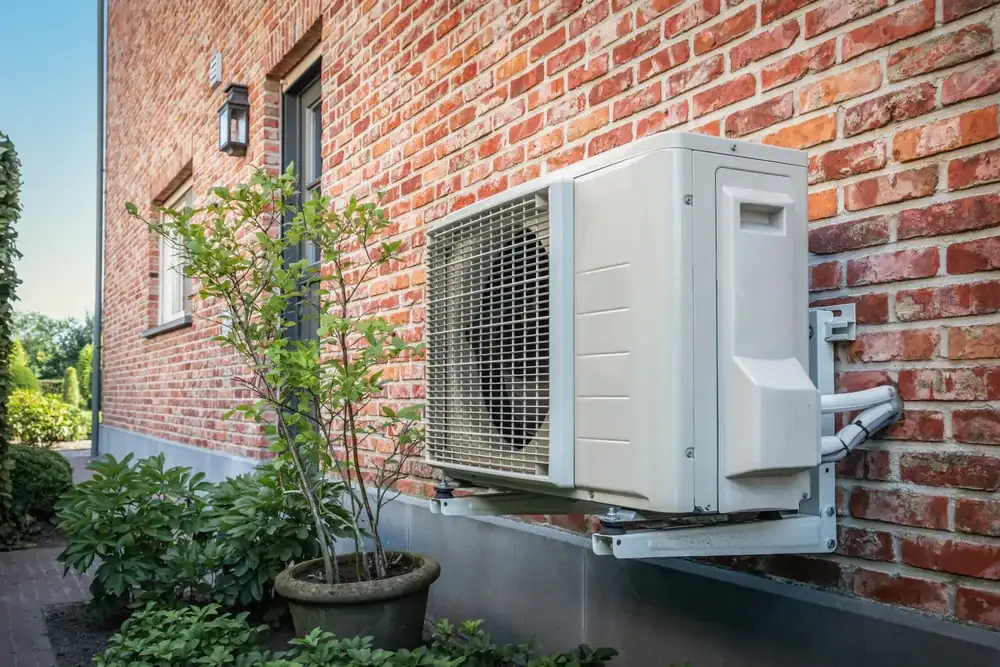
Some smells require immediate action—no waiting, no second-guessing, just turn off your system and call for emergency HVAC repair. A rotten egg or sulfur smell from a gas furnace indicates a potential gas leak, which is extremely dangerous. Gas companies add this distinctive odor to naturally odorless propane and natural gas specifically so you can detect leaks.
If you smell gas, turn off your furnace immediately, don’t use any electrical switches or create sparks, and call your gas company, an HVAC professional, and 911. Leave your home if possible until the problem is resolved. This isn’t an overreaction—gas leaks can lead to explosions with devastating consequences.
Musty or moldy smells indicate moisture problems that can lead to indoor air quality issues and system damage. While not immediately dangerous like gas leaks, these problems worsen quickly and can affect your family’s health. Heat pumps are particularly susceptible to moisture issues due to their year-round operation, making regular air conditioner maintenance crucial.
Metallic or burning electrical smells suggest overheating components or failing electrical connections. These problems can escalate to system fires, so they require immediate professional attention. Turn off your system at the circuit breaker and don’t restart it until a qualified HVAC contractor has identified and fixed the problem.
Sometimes the most serious problems don’t make noise or create obvious smells—they show up as performance issues that gradually get worse until your system fails completely. Uneven heating throughout your home, with some rooms much colder than others, often indicates ductwork problems, failing components, or systems that are struggling to keep up with demand.
Short cycling—when your system turns on and off frequently without completing full heating cycles—puts enormous stress on components and drives up energy costs. This problem is particularly common in Fairfield County’s variable climate, where heating and cooling systems work overtime trying to maintain comfort during rapid weather changes. Consider ductless mini split installation for better zone control if this is a recurring issue.
If your energy bills have spiked without changes in usage, your system is likely working much harder than it should. This could indicate anything from clogged filters restricting airflow to refrigerant leaks in heat pumps or failing components that are drawing excessive power. Regular HVAC maintenance can prevent many of these efficiency-robbing problems.
Systems that won’t turn on at all, or that require multiple attempts to start, are showing clear signs of electrical problems, failing capacitors, or other issues that will only get worse. The longer you wait to address these problems, the more likely you are to face a complete system failure during the next extreme weather event.
Your furnace or heat pump will always give you warning signs before complete failure. The key is recognizing these signals early and taking action before a minor problem becomes a major expense. Strange noises, unusual odors, and performance issues all indicate that your system needs professional HVAC services.
In Fairfield County’s demanding climate, with hot, humid summers and cold winters, your heating and cooling system works harder than systems in more moderate climates. This means problems can escalate quickly, especially during peak usage periods when you can least afford to be without heating or cooling.
When you notice any of these warning signs, contact us at Temp Assure Heating Air Conditioning & Refrigeration for professional diagnosis and repair. We provide early intervention that saves money, prevents emergency breakdowns, and keeps your family comfortable year-round.
Article details:
Share:
Continue learning: