When your furnace fails during Connecticut's harsh winters, you need immediate, professional repair service you can trust.
Share:
Summary:
Not every furnace problem requires emergency service, but some situations demand immediate attention. Complete system failure during extreme cold weather tops the list. When outdoor temperatures hit the teens or lower—common in Silvermine during January and February—a non-functioning heating system becomes a safety concern within hours.
Strange odors, especially gas smells or burning electrical components, require immediate professional attention. Unusual noises like grinding, banging, or squealing often indicate mechanical failures that can worsen rapidly. If your furnace cycles on and off constantly or won’t stay lit, these symptoms suggest problems that typically escalate quickly during periods of high demand.
Rising energy bills without increased usage often signal efficiency problems that strain your system. When your furnace works harder to maintain temperature, it’s more likely to fail completely during the coldest nights when you need it most.

Connecticut’s climate puts unique demands on heating systems that many homeowners underestimate. Average January temperatures hover around 27°F, but overnight lows frequently drop into the teens, especially in inland areas like Silvermine. These conditions force your furnace to cycle 8-10 times per hour during extreme cold snaps.
The constant demand wears out critical components faster than normal operation. Heat exchangers, blower motors, and ignition systems face stress that can cause sudden failures. When temperatures drop below 20°F and stay there for days, your furnace runs almost continuously to maintain indoor comfort.
Connecticut’s weather patterns add another layer of complexity. Rapid temperature swings from mild to frigid can shock heating systems that haven’t been properly maintained. A furnace that seems fine during moderate weather often reveals problems when faced with sustained cold periods.
Oil heating, used by 42% of Connecticut homes, presents additional challenges during extreme cold. Fuel can gel in outdoor tanks, and delivery trucks struggle to navigate icy roads during storms. These factors make system reliability even more critical for families depending on oil heat.
The combination of harsh temperatures, variable weather patterns, and aging heating infrastructure means Connecticut homeowners can’t afford to ignore warning signs. What starts as a minor issue in October can become a complete system failure by January, leaving you without heat during the coldest stretch of winter.
Putting off furnace repairs might seem like a money-saving strategy, but the math rarely works in your favor. Small problems compound quickly when your system operates under the stress of Connecticut winters. A worn belt that costs $50 to replace in November can lead to a $500 blower motor replacement in January.
Emergency service calls cost significantly more than scheduled repairs. While regular business hours might see diagnostic fees around $100-150, emergency calls during nights, weekends, or holidays often carry premium rates. More importantly, emergency situations limit your options for getting competitive quotes or scheduling convenient appointment times.
The hidden costs go beyond repair bills. When your furnace fails completely, you’re looking at potential pipe freezing, property damage, and temporary heating solutions that drain your wallet. Space heaters running constantly can double or triple your electric bill, while hotel stays for your family add hundreds of dollars per night.
System failures during extreme weather often reveal multiple problems simultaneously. The furnace that limped through fall might need a heat exchanger, blower motor, and ignition system work once it’s pushed to its limits. What could have been addressed gradually through maintenance becomes a major repair project.
Insurance considerations add another layer of expense. Many homeowner policies don’t cover damage from frozen pipes if the heating failure resulted from lack of maintenance. You’re not just paying for furnace repairs—you’re potentially covering water damage, mold remediation, and temporary living expenses.
The stress factor carries its own cost. Emergency repairs happen at the worst possible times, disrupting your work schedule, family plans, and peace of mind. You’re forced to make quick decisions about expensive repairs without time to research options or get second opinions.
Want live answers?
Connect with a Temp Assure Air expert for fast, friendly support.
Professional emergency furnace repair follows a systematic approach designed to restore your heat safely and efficiently. The process begins with immediate response—we understand that heating emergencies can’t wait. Response times during extreme weather typically range from 1-3 hours, depending on current demand and weather conditions.
Our technicians arrive with diagnostic equipment and fully stocked trucks containing common replacement parts. This preparation allows most repairs to be completed during the initial visit, avoiding additional trips and delays. The diagnostic phase identifies not just the immediate problem, but potential issues that could cause future failures.
Upfront pricing eliminates surprises during stressful situations. We provide clear cost estimates before beginning work, explaining what needs repair and why. This transparency helps you make informed decisions about immediate repairs versus temporary solutions that get you through the emergency.
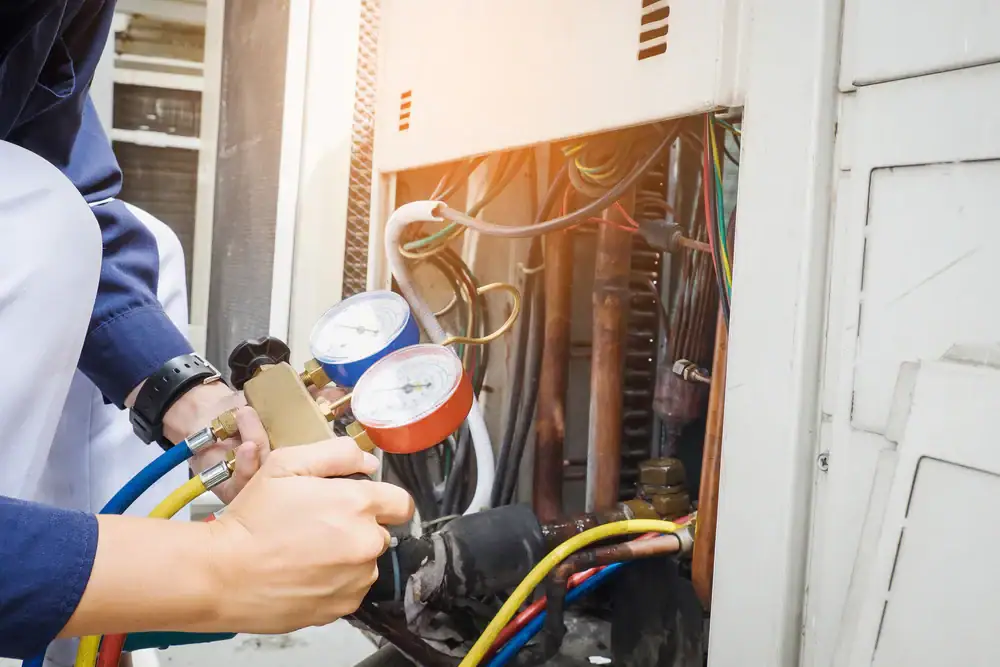
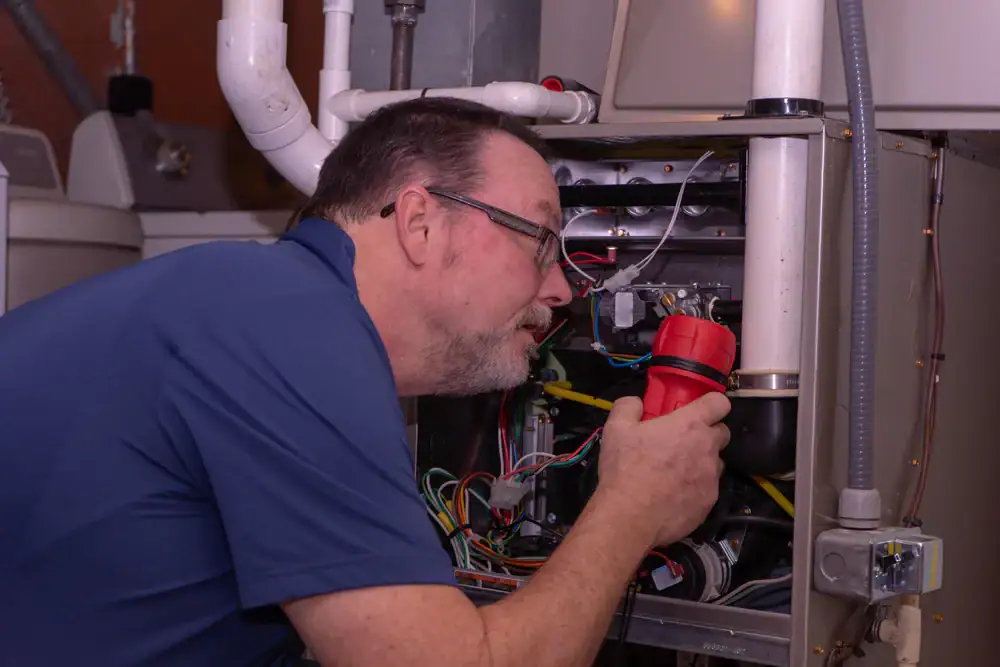
Effective furnace diagnosis requires both technical expertise and systematic methodology. Our experienced technicians begin with safety checks, ensuring gas connections are secure, electrical components function properly, and ventilation systems operate correctly. These safety protocols protect your family and prevent secondary problems during repairs.
The diagnostic process examines your entire heating system, not just obvious symptoms. We test thermostat calibration, inspect ductwork for leaks, and evaluate air filter condition. We measure gas pressure, electrical voltage, and airflow rates to identify performance issues that might not be immediately apparent.
Modern diagnostic equipment reveals problems that visual inspection might miss. Digital multimeters test electrical components, manometers measure gas pressure, and combustion analyzers ensure proper fuel burning. This technology helps our technicians identify root causes rather than just treating symptoms.
System age and maintenance history provide crucial diagnostic context. A 15-year-old furnace with irregular maintenance presents different challenges than a 5-year-old system with annual tune-ups. We adjust our diagnostic approach based on equipment specifications, installation quality, and usage patterns.
Documentation during diagnosis serves multiple purposes. Detailed findings help you understand what went wrong and why, while also providing records for warranty claims or insurance purposes. This information becomes valuable for future service calls and helps establish maintenance schedules that prevent recurring problems.
The comprehensive diagnostic approach takes more time initially but saves money long-term. By identifying multiple issues during one visit, our technicians can prioritize repairs and prevent future emergency calls. You get a complete picture of your system’s condition rather than piecemeal repairs that address problems one at a time.
Emergency situations don’t give you weeks to research contractors, but certain criteria help identify reliable service providers quickly. Licensed and insured contractors protect you from liability and ensure work meets local codes. In Connecticut, HVAC contractors must hold appropriate licenses and maintain insurance coverage for residential work.
Response time commitments separate professional operations from fly-by-night services. Established contractors typically guarantee response times and communicate clearly about arrival windows. We understand that heating emergencies create genuine hardship and prioritize these calls accordingly.
Transparent pricing policies become especially important during emergencies when you’re under pressure to make quick decisions. Reputable contractors provide written estimates before beginning work and explain charges clearly. We don’t take advantage of emergency situations with inflated pricing or unnecessary repairs.
Local reputation and community involvement often indicate reliable service. Contractors who’ve served your area for years understand local climate challenges and building characteristics. We maintain relationships with parts suppliers and other trades, enabling faster problem resolution.
Equipment expertise matters significantly during complex repairs. Contractors familiar with your furnace brand and model can diagnose problems faster and access appropriate replacement parts. This specialization becomes crucial when dealing with older systems or less common equipment types.
24/7 availability means more than answering phones after hours. Professional emergency services maintain fully equipped trucks, stock common replacement parts, and employ trained technicians around the clock. This infrastructure investment demonstrates commitment to genuine emergency service rather than just marketing claims.
The best emergency repair is the one you never need. Regular maintenance catches problems before they become emergencies, especially important given Connecticut’s demanding winter conditions. Annual tune-ups typically cost $100-200 but prevent repairs that can run into thousands of dollars.
Professional maintenance includes cleaning, lubrication, and adjustment of critical components. Our technicians replace worn belts, clean burners, test safety controls, and inspect heat exchangers for cracks. This proactive approach identifies problems during moderate weather when repairs are convenient and affordable.
Filter replacement represents the simplest yet most important maintenance task you can perform yourself. Dirty filters force your system to work harder, leading to premature component failure and reduced efficiency. During peak heating season, check filters monthly and replace them as needed.
When you need reliable emergency furnace repair in Silvermine, CT, Temp Assure Heating Air Conditioning & Refrigeration provides the professional service your family deserves. Our experienced technicians understand Connecticut winters and respond quickly when your heating system fails.
Article details:
Share:
Continue learning: